Collaborative
Human–Machine
Intelligence
We study how people, AI and autonomous systems can learn, decide and act together in complex real-world environments.

“Intelligence emerges not only inside a human or a machine, but in the way they interact.”
Three pillars. One human–machine intelligence programme.
Human Performance & Training
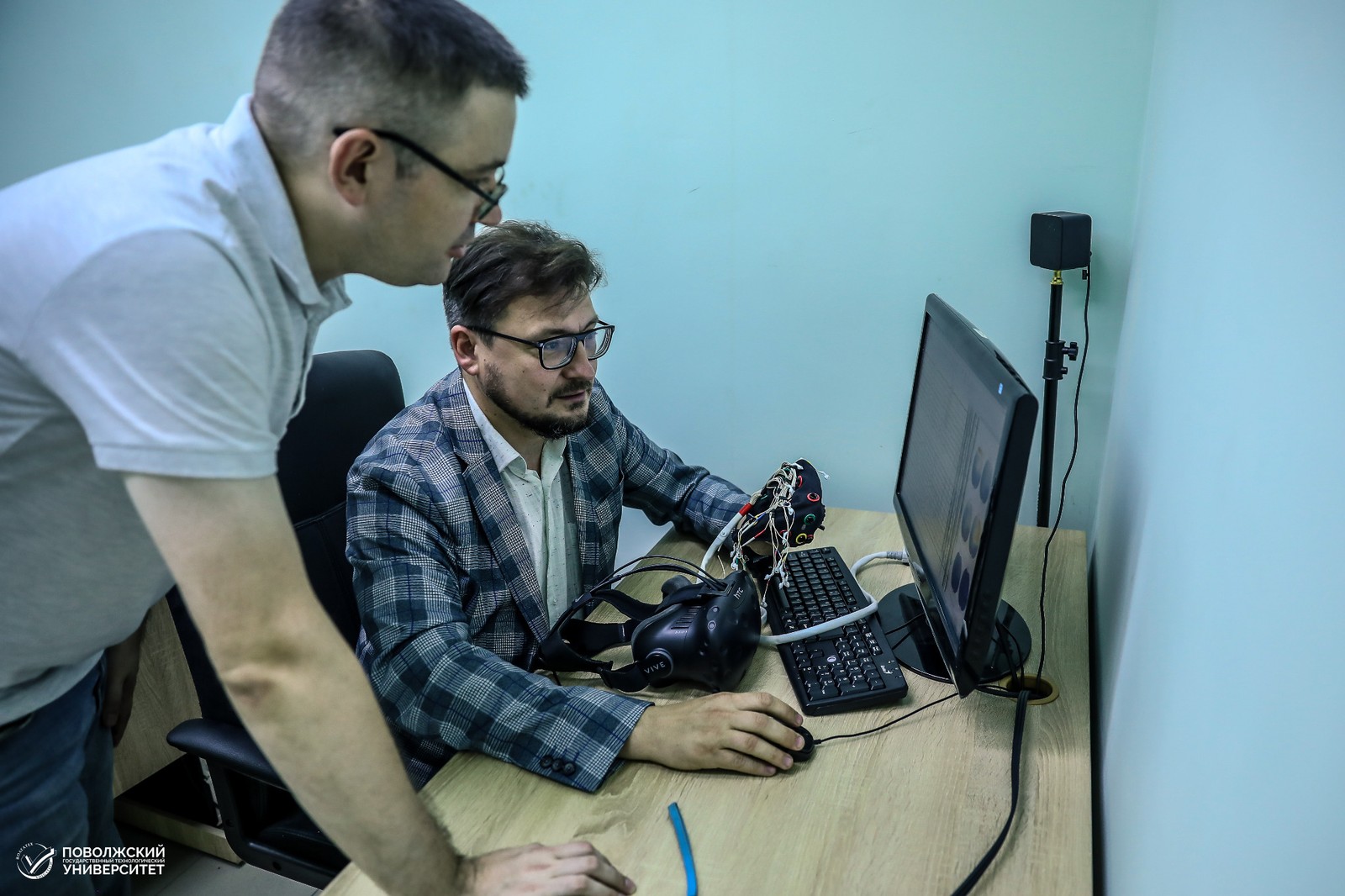
VR, simulator-based training, operator performance, psychophysiology, EEG, visual–motor tracking, learning curves and skill transfer.
Explore pillar →Human–AI Interaction
LLMs, Minimum Sufficient Prompting, human validation, trusted AI, intelligent decision support and cognitive cost of AI-assisted work.
Explore pillar →Autonomous Systems & Navigation
Robotics, mobile platforms, forest navigation, degraded-GNSS positioning, remote sensing, sensor fusion and digital twins.
Explore pillar →Neuroadaptive Training
Can an individual neurophysiological and psychophysiological profile predict who will benefit from VR or simulator training, how quickly they will learn, and how well the skill will transfer?
Research connected to evidence
Research already in motion
 Human performance
Operator Dynamics & Simulator Training
RSF-supported research combining operator performance, psychophysiology and objective task metrics.
View project → Human–AI
MSP & Human Validation
Three experiments, 24 tasks and 360 LLM responses, with human audit and an EEG extension under development.
View project →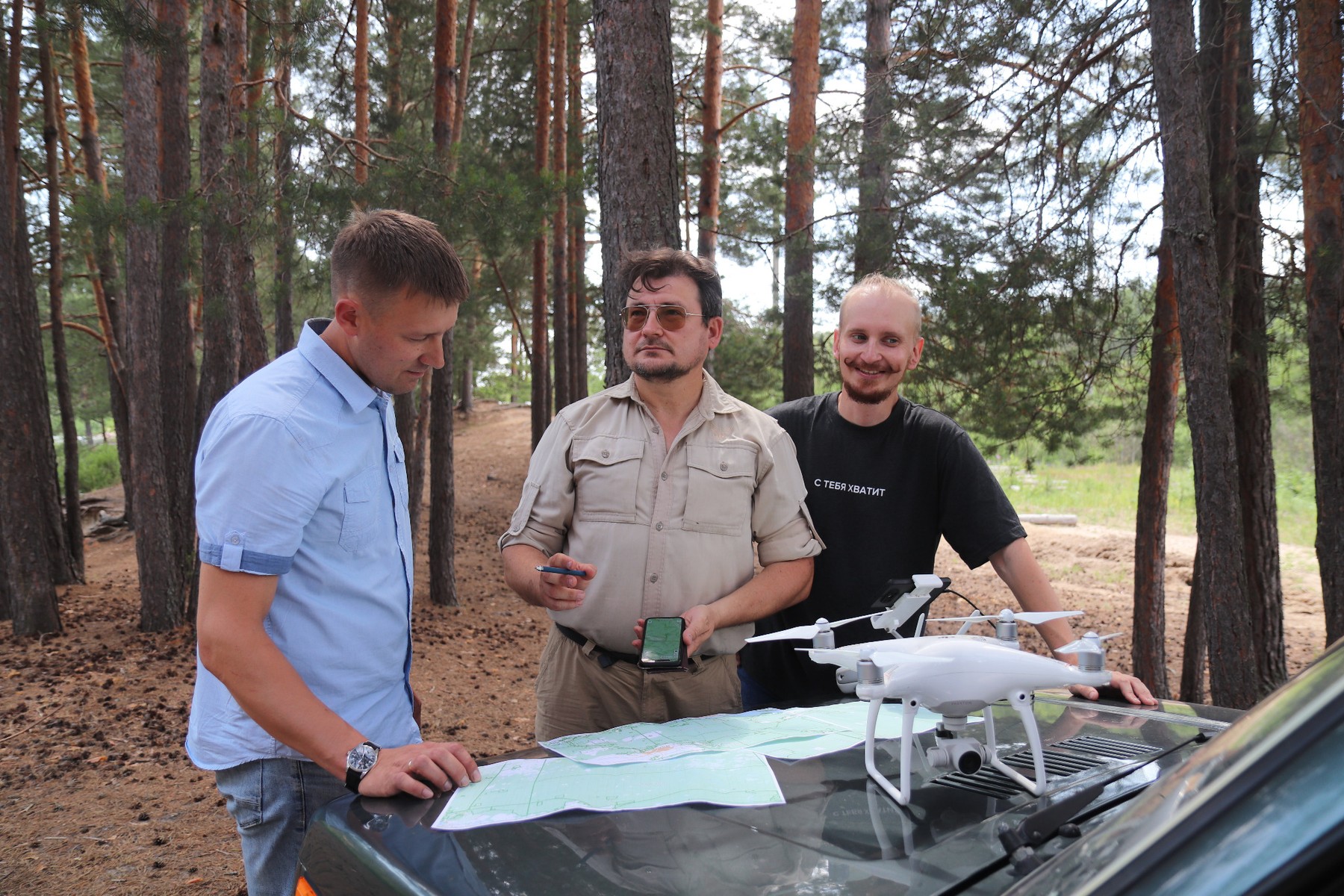 Autonomous systems
Forest Autonomous Navigation
Hybrid maps, local perception and machine-aware environment models under degraded GNSS.
View project →A multidisciplinary research team





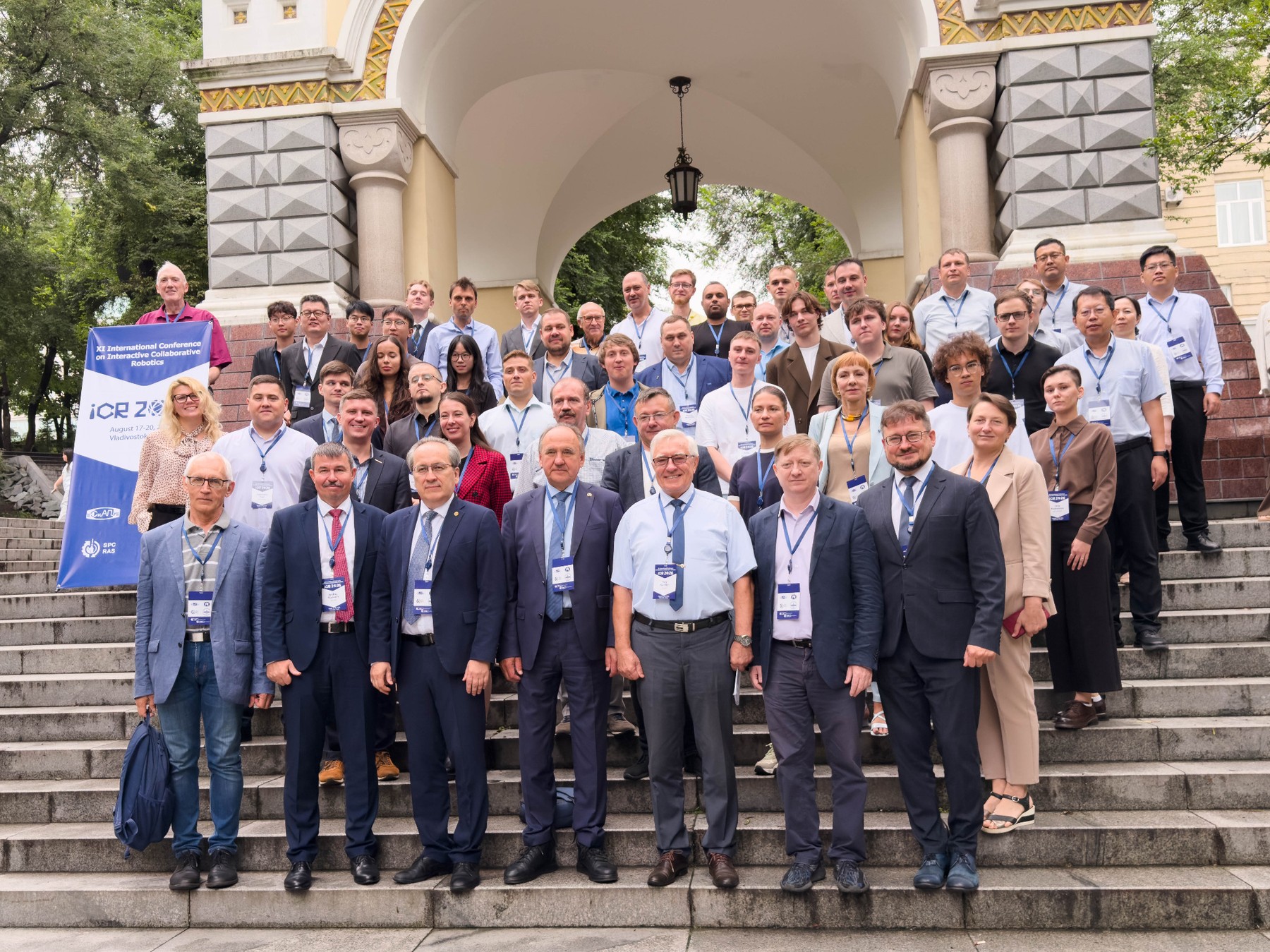
Data and infrastructure for collaborative research
The group already has experimental data, immersive platforms, EEG capability, psychophysiological tests, UAV field measurements and software/model outputs.
Explore resources →Collaboration that produces research outputs
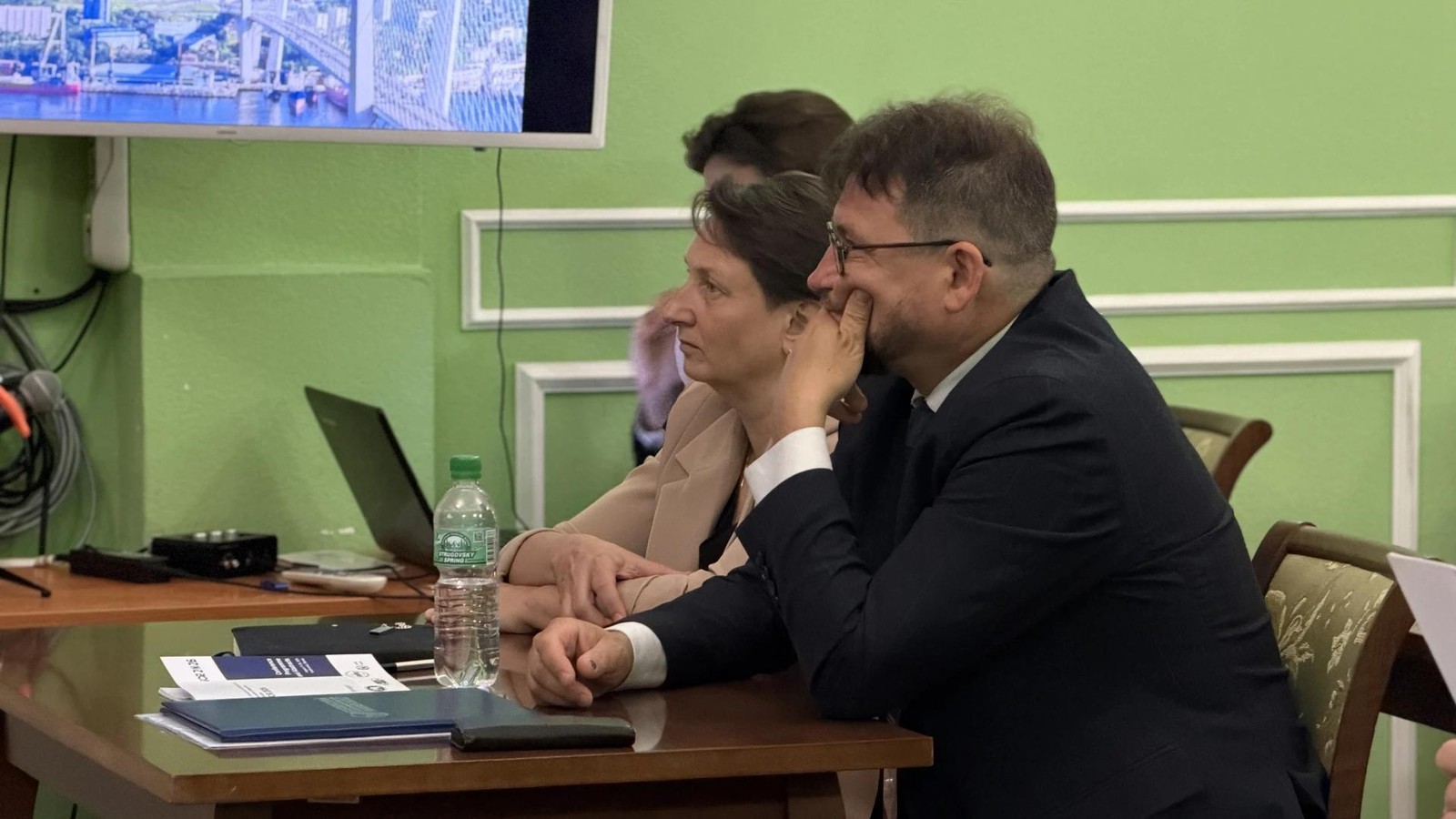
Bring a question, dataset or experimental idea.
We are open to joint studies in human performance, Human–AI interaction, autonomous systems, VR/EEG and forest robotics.